
 Back to Blog
The Trends Shaping Flexible Packaging in 2026
5/18/2026
As brands and packaging professionals advance their sustainability targets, there is increased focus on emerging EPR legislation and the resulting impact on their packaging portfolio. Beyond innovations in circular design, the flexible packaging industry is evolving in many ways. From major sectors breaking away from legacy packaging formats to a growing focus on connected packaging and particle resistance, flexible packaging professionals are tackling a variety of challenges head on.
Here are five trends currently gaining traction in the flexible packaging industry, informed by recent industry developments, in addition to our conversations with brands and converters:
Recyclability Is Still Number One, but the Conversation Is Maturing

According to a recent McKinsey survey, recyclability still ranks most important for consumers. Much of the flexible packaging industry has been chasing recyclability for several decades, with many having made the switch to mono-materials to achieve fully recyclable pouches.
More recently, recyclability has grown into a bigger story than simply being eligible for curbside pickup or in-store drop off. Post-consumer recycled (PCR) packaging materials are gaining increased spotlight as the materials have advanced for more straightforward paths to adoption.
Because post-consumer recycled content comes from plastic that has already been used and recovered, incorporating PCR can help reduce reliance on virgin materials and keep existing plastics in circulation longer. The Fresh-Lock team has already started integrating PCR materials into two of our most popular closure styles, but broader adoption will require continued collaboration across the flexible packaging industry.
Commodity Products Rethink Traditional Paper Bag Packaging
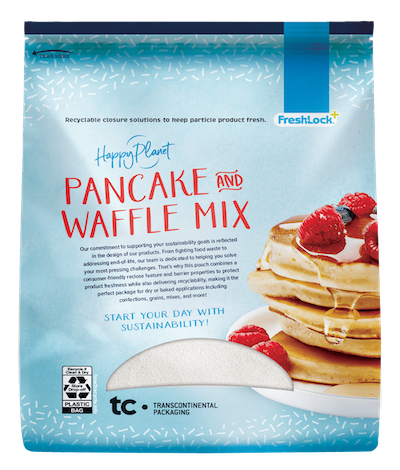
Commodity goods like flour, sugar, bulk spices, and pancake mixes have traditionally been packaged in paper sacks that can shed or leak product, and oftentimes lack proper seals against moisture, air, or pests. While rigid packaging has always been available for commodity products to help tackle these challenges, it is not always the most practical choice due to cost, weight, and storage needs. Instead, products like flour and sugar have long relied on paper sacks because they are less bulky, significantly lighter, and more efficient to transport and store.
To give consumers a major quality of life upgrade in their pantry and improve consumer perception, brands in these sectors are beginning to move away from these paper sacks and toward reclosable flexible packaging. These reclosable formats retain the lightweight benefits of the paper sacks while providing improved product protection and greater convenience to the consumer.
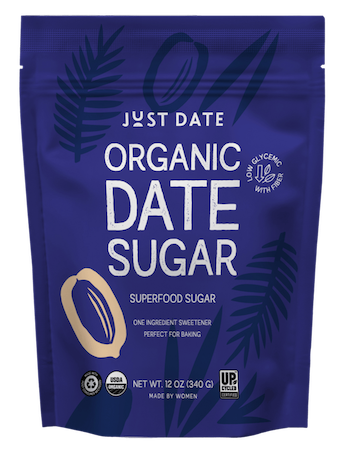
For example, Just Date’s Date Sugar was previously sold in a paperboard carton with a sealed plastic bag as the secondary packaging, but within the last few years the brand has switched to a reclosable stand-up pouch made with 50% PCR materials. Similarly, other major brands like Wholesome, Bob’s Red Mill, and King Arthur Baking Company have embraced reclosable flexible packaging across most, if not all, of their product lines.
Paper-Based Flexible Packaging Is Expanding in New Markets
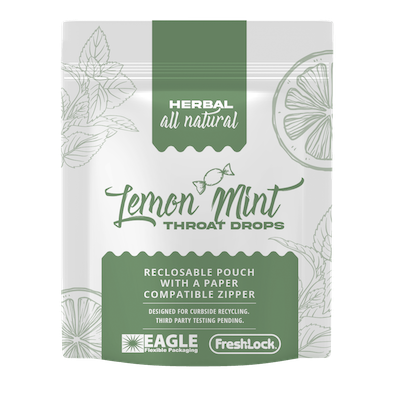
While some commodity goods are starting to move away from their traditional paper sack packaging, the material is seeing a resurgence across other sectors in the form of paper-based flexible packaging.
Paper-based flexible packaging uses paper as the primary material and can offer the same functionality of traditional flexible formats. This versatility allows brands to create pouches that resonate with consumers’ preference for paper over plastic. One main reason consumers are so interested in paper-based pouches is because they recognize paper as a renewable resource.
As the paper-based flexible packaging category evolves, these formats have grown extremely popular in e-commerce because they offer a lightweight alternative to bulky cardboard boxes. For digital retailers like Amazon, replacing boxes with paper mailers helps reduce space in transit and in consumers’ recycling bins. Adoption of paper-based packaging is also growing for the coffee, snacks, and personal care sectors. While e-commerce has been using adhesive strips and fold-over flaps for paper pouch applications, other sectors may require reclosability to protect the quality of their products. For this reason, Fresh-Lock® closures offer a range of recyclable options that can be sealed or adhered to paper-based pouches.
“Connected” Packaging Aids Logistics and Regulatory Compliance
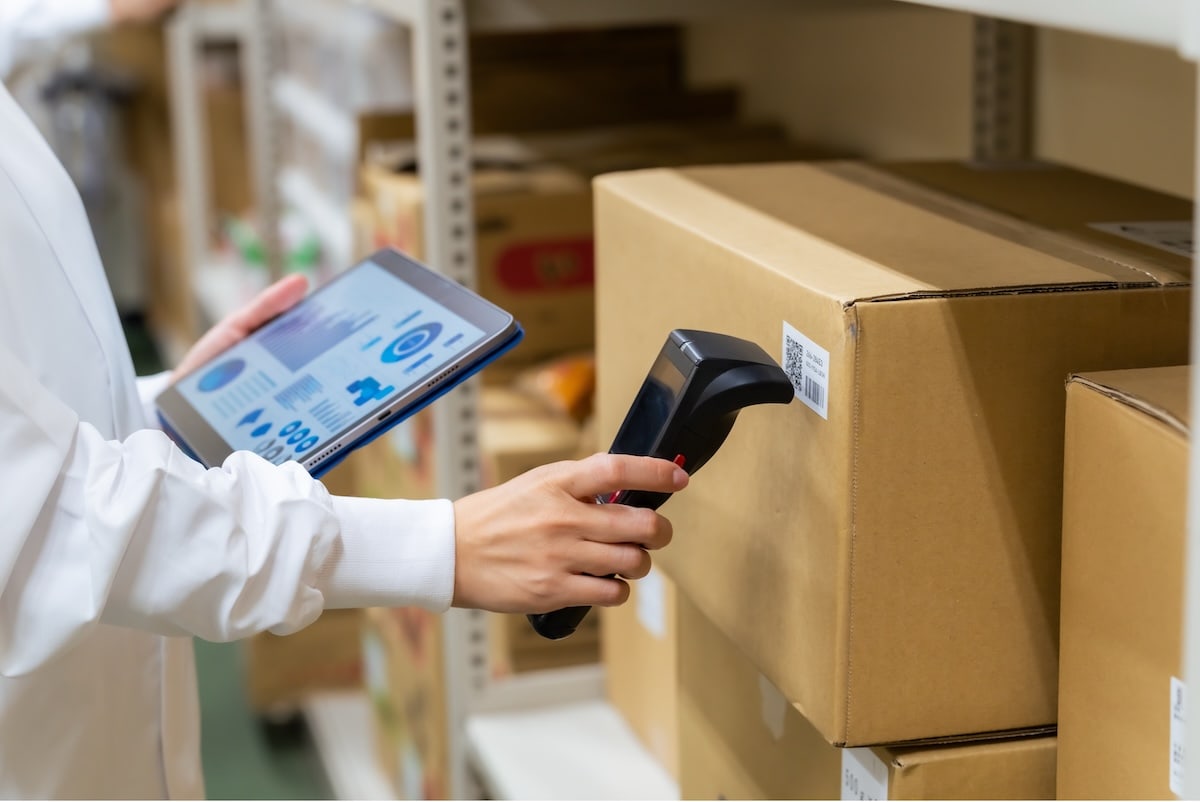
Similar to sustainability, connected packaging has been an ongoing conversation for years, but it’s been moving slowly. QR codes saw a resurgence following the COVID-19 pandemic and that renewed attention helped brands and marketers fully understand the technology’s potential, and so the use of touchless collateral has lingered.
But connected packaging goes beyond providing additional marketing information and consumer education, it also helps brands comply with mandated digital records for sustainability and circularity, like Europe’s Digital Product Passports (DPP). The DPP requires many products sold in the EU to feature a digital record detailing origin, materials, environmental impact, and disposal recommendations.
While QR codes are well understood and don’t require any extra hardware, RFID technology, including NFC tags, is also gaining traction for the advantage of speed when used for logistics. A recent study covering trends and challenges in pharmaceutical packaging and processing from PMMI noted that RFID technology is emerging as a major requirement for the pharmaceutical industry as major store brands require it. In fact, 27% of pharmaceutical brands plan to add more RFID tags to pharmaceutical packaging as a way to incorporate more connectivity.
Nutraceuticals and Wellness Products Move Into Flexible Packaging
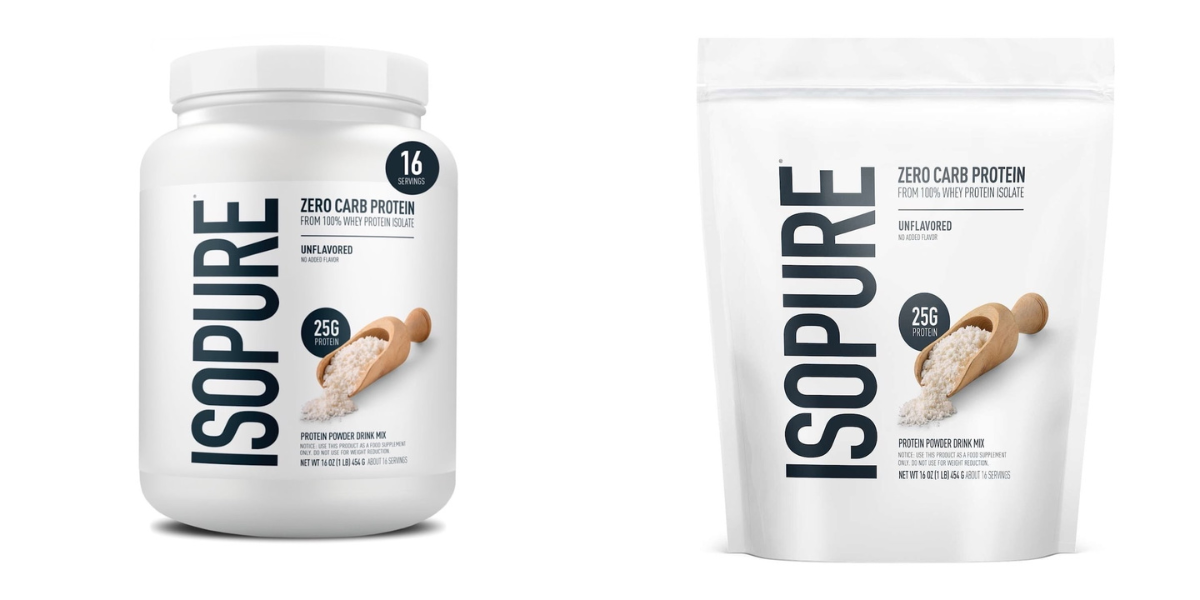
Reclosable packaging helps maintain product freshness and reduce food waste, but not all reclosable packaging formats offer the same benefits. Key differences exist between flexible designs that use zippers or sliders and rigid options that feature screw caps or lids. Many sectors that have traditionally relied on rigid containers, such as protein powders, collagen, and other nutraceutical and wellness products, are transitioning to reclosable pouches to reap benefits that rigid formats cannot match.
For example, a flexible pouch helps enable better on-the-go consumption and portability because pouches are less cumbersome to carry around. Protein and pre-workout powders are prime examples. Traditionally sold in large, rigid tubs with screw-on lids, the format is not as easy to stuff into a consumer’s gym bag. Instead, a flexible pouch with a closure designed for daily routines and repeated use is a more portable alternative. Furthermore, as the consumer uses the product, a pouch made from flexible films can be rolled down to further optimize storage, whereas a rigid container stays the same bulky size no matter how much product is leftover.
One common concern when transitioning powdered and granular products to a reclosable flexible pouch is particles clogging the closure and interfering with achieving a secure reclose. Fortunately, a particle-resistant closure with anti-clogging features can solve this—providing a smooth experience, even with fine ground or dusty products.
Stay Ahead of the Curve
As flexible packaging continues to evolve with new technology, future progress will depend on continued innovation and strong collaboration across the entire packaging supply chain. Year after year, we gain a clearer view of what matters to consumers, retailers, and brands across a wide range of markets. Keeping up with these conversations is how we evolve to meet their needs and stay ahead of the curve.
To learn more about how your packaging can evolve this year, contact the Fresh-Lock team for additional insights.