
 Back to Blog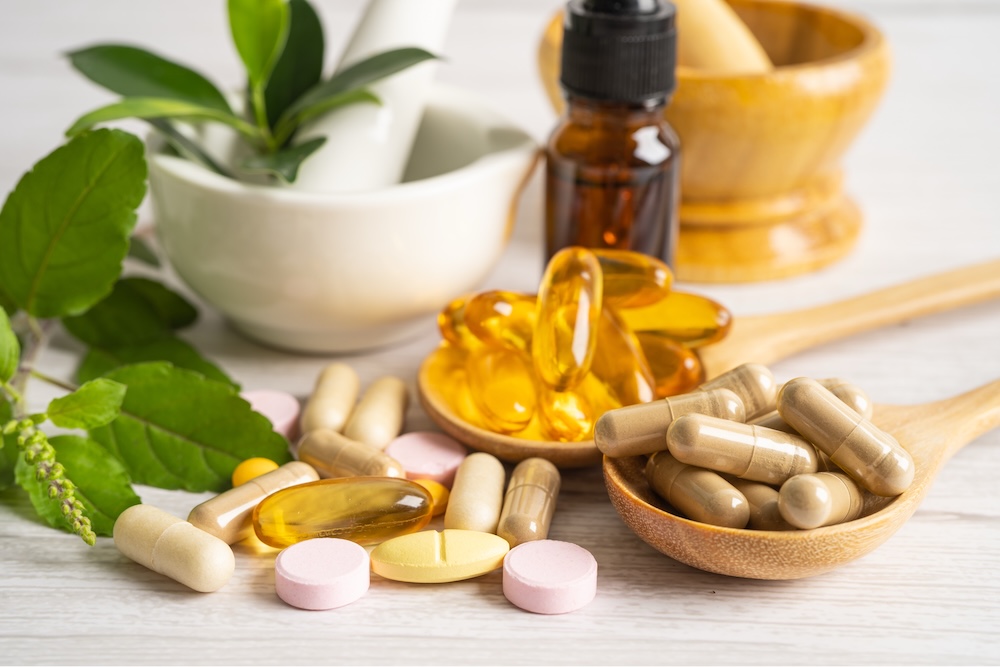
Protecting Potency and People with Child-Resistant Flexible Packaging for Nutraceutical and Wellness Products
3/30/2026
With ongoing advancements in manufacturing and packaging technology, the pharmaceutical industry continues to utilize packaging to meet performance and safety demands. Complemented by the booming nutraceutical, wellness, and personal care categories, there’s a wide range of products aimed at helping consumers feel their best. As these innovations reach the market, the need for safe, reliable, and sustainable packaging grows alongside them.
Additionally, with the rise of e-commerce, these products can be shipped directly to consumers’ homes, increasing the need for durable, protective packaging that arrives safely and helps prevent accidental access by children.
Understanding the Difference Between Pharmaceuticals, Nutraceuticals, and Supplements
Pharmaceuticals, nutraceuticals, and supplements are all intended to help consumers improve their health, but the product categories differ in their source and specific purposes. To properly identify what each type of product requires in terms of protective packaging, we must understand the different types of products that fit into each category and what it takes to protect longevity.
Over-the-Counter Medications
Pharmaceuticals are synthetic or highly refined chemical compounds designed to treat a wide variety of illnesses affecting bodily health, as well as physical and mental health conditions. Similar to prescribed pharmaceuticals, over-the-counter (OTC) medications undergo rigorous testing to ensure safety and efficacy for the public. This includes products such as pain relievers, allergy medications, antacids, and more.
Nutraceuticals
Often viewed by consumers as more naturally derived, nutraceuticals originate from plant- or nature-based sources and are sold in concentrated forms. These vitamins, minerals, and herbal products promote benefits aimed at enhancing consumers’ overall health and well-being. Some examples include fish oil, probiotics, collagen peptides, herbal capsules, and more.
Dietary Supplements
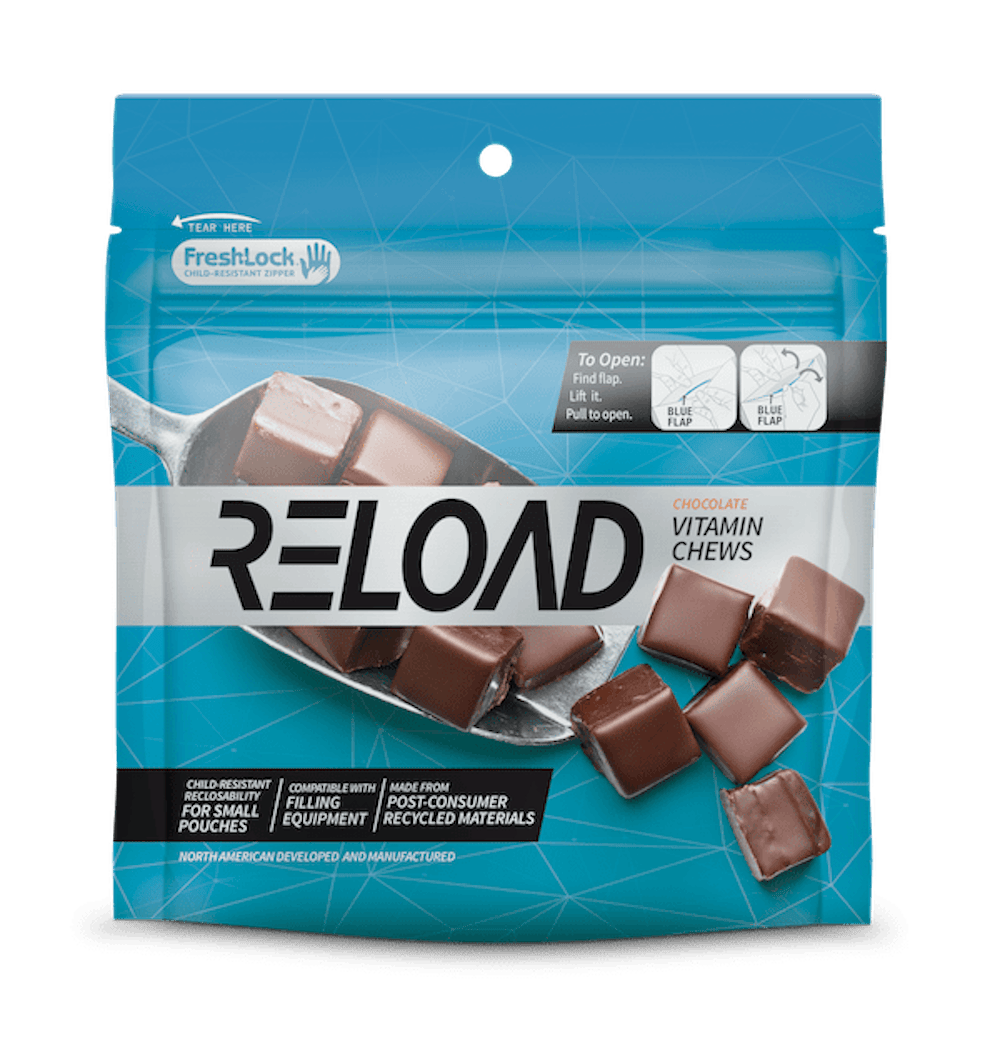
Dietary supplements are similar to nutraceuticals but are designed with the purpose of supplementing consumers’ diets with essential nutrients like vitamins, minerals, and amino acids to make up for nutrients that consumers might be missing in their regular diets. Products like protein powder, sports nutrition, and amino acids all fall under the dietary supplements category. While these products are not as strictly regulated as pharmaceuticals, many of them still require thoughtful packaging to protect their potency and keep them out of curious little hands.
Each of these categories often include products that contain active ingredients, which can be sensitive to various external factors—like oxygen and moisture. Fortunately, the right packaging formats can help ensure these products aren’t exposed to external factors that could alter their quality.
Packaging Requirements to Help Optimize Product Efficacy
Whether you’re producing over-the-counter medication, supplements, or nutraceuticals, the form that the product comes in can play a role in what it needs for protective packaging. Product formats such as pills, capsules, powders, gummies, and dried herbs may each require very specific package barrier or closure solutions. As a starting point, the majority of these product types should consider the following to maintain stability:
- Moisture Barriers: in many cases, like with tablets or dried herbs, moisture can seriously degrade the product. Using the appropriate barrier on a flexible pouch can help restrict permeable moisture from entering or leaving the pouch.
- Oxygen Barriers: the same way foods can dry out or become stale when exposed to oxygen, certain medications and other wellness products can also lose shelf stability. This makes a barrier that can help maintain a low oxygen environment critical in product packaging.
- UV Protection: certain types of active ingredients within wellness products may be photosensitive, requiring that the package provide defense against light.
- Tamper-Evident Technology: since no package can be entirely tamper-proof, features that show if a package has been tampered with are extremely important to protect consumer health and safety.
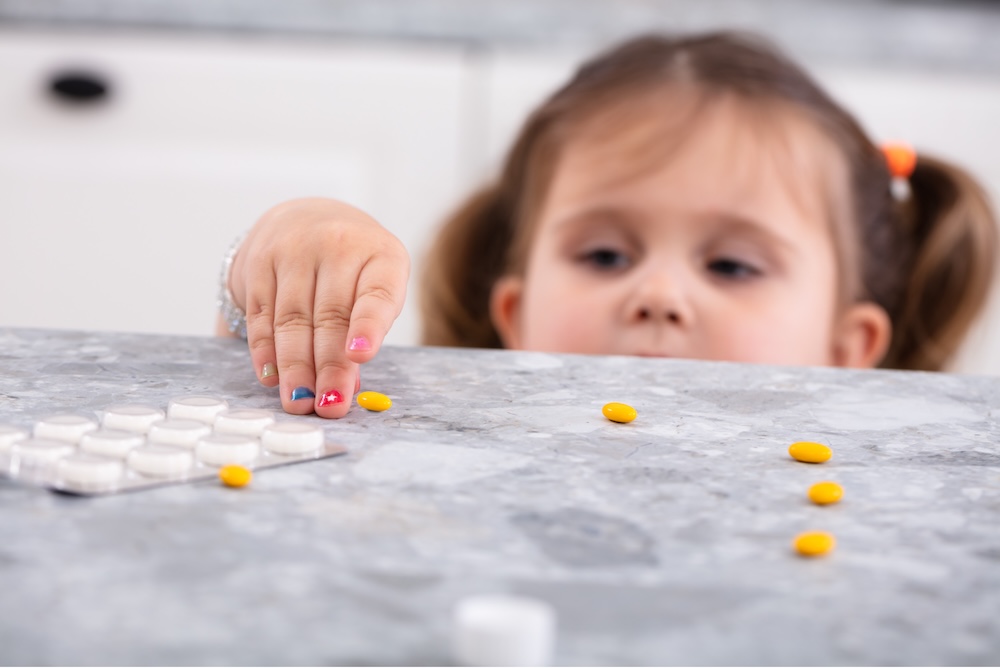
- Child-Resistance: because it could be potentially harmful if young children are able to access these various types of wellness products, child-resistant packaging helps provide additional safety measures that slow down a child from gaining access to the product inside.
Consumer Expectations for Pharmaceutical and Nutraceutical Packaging
While meeting regulatory standards is necessary, brands also need to consider what consumers expect from product packaging. For many medications and nutraceuticals, child-resistance is a baseline requirement that ensures packaging meets the Poison Prevention Act standards.
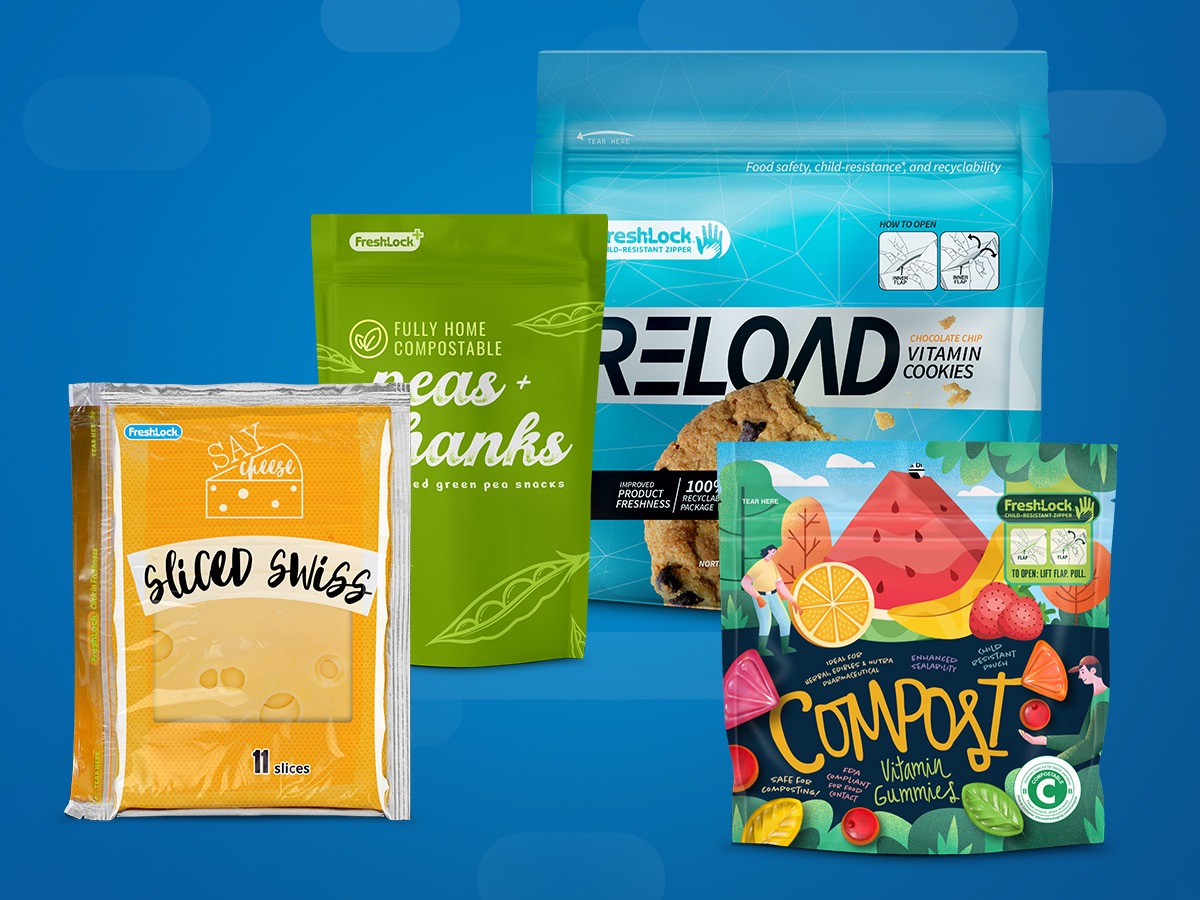
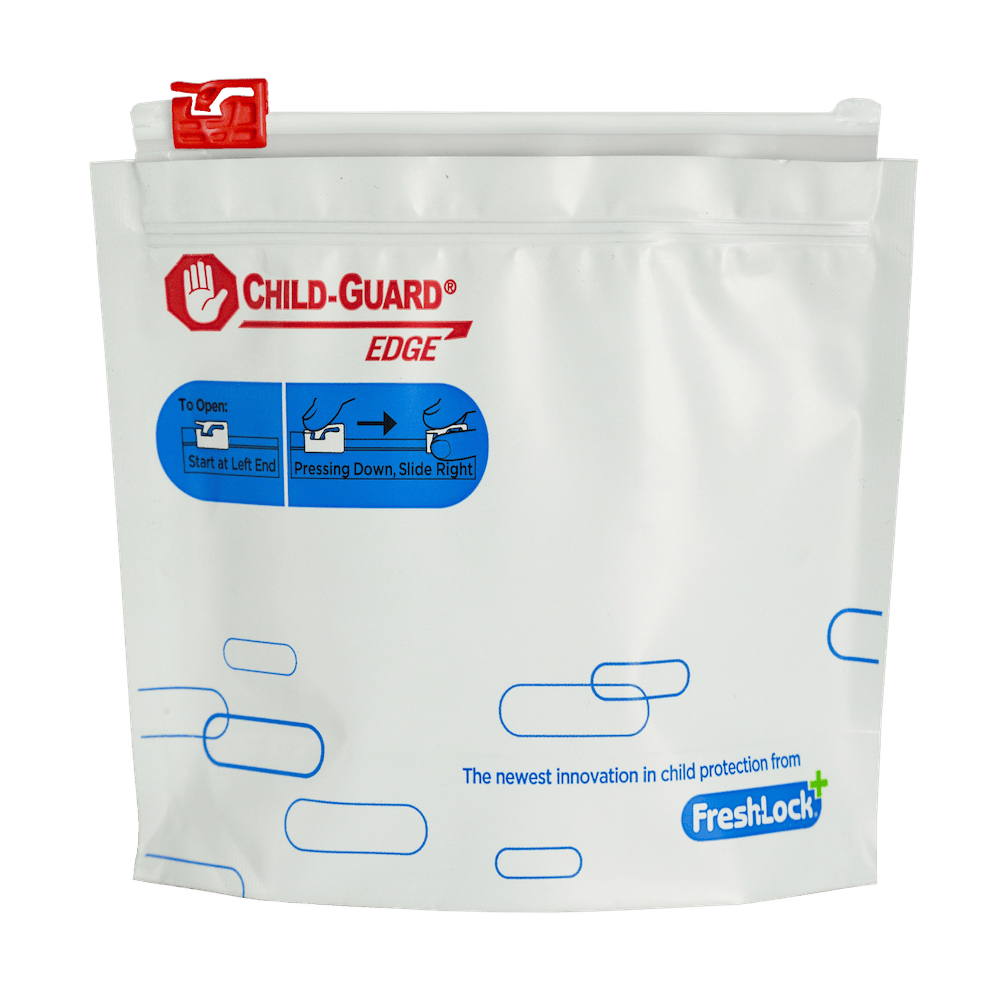
Designed to help prevent accidental access while still maintaining adult useability, Child-Guard® Edge is a pouch closure system which provides proven child-resistant functionality in a compact flexible format. From the team that brought you the original Child-Guard® track and slider technology, this new, reduced-scale slider is ideal for products that utilize smaller pouches with high serving counts—like allergy medications, vitamin gummies, and many other health and personal care products.
The Fresh-Lock team developed Child-Guard ®Edge to help make flexible packaging a viable option in evolving markets that require child safety features, offering brands in these sectors the opportunity to leverage the benefits of safe, reclosable pouch packaging, as well as sustainability benefits that come from flexible packaging.
Transparency and trust are also key expectations for consumers, especially as they become more aware of what they put into their bodies. Health-conscious consumers want to make informed decisions about the products they purchase for their wellbeing, so clear labeling for ingredients, allergens, dosage, and certifications that resonate, such as organic, preservative-free, and more, is important. Fortunately, flexible pouches offer ample space for brands to convey this detailed information.
Convenience also counts for consumers. Health-focused consumers lead busy, mobile lives. Flexible, reclosable formats fit easily into gym bags, purses, and luggage—delivering portability that rigid packaging often can’t match. With the right closure, packaging gains a value-add that not only helps keep products securely contained but provides extended use by helping ensure product freshness.
The same way health-conscious consumers hold true to their values, environmentally-conscious consumers prefer brands that prioritize sustainability. Flexible packaging is a popular option over rigids for material reduction, and often contributes to a reduced carbon footprint due to the benefits of lightweighting. Continued innovation in flexible films and child-resistant closures have also led to more sustainable options on the market.
For example, the Child-Guard® track and slider is available with 25% FDA-approved PCR materials in the track, and the Child-Guard® Edge slider has followed suit with the same amount of PCR materials present. Similarly, for brands that want to pursue compostability, home compostable child-resistant press-to-close zippers are designed to biodegrade under compost conditions within 180 days.
Child-Resistant Flexible Packaging for E-Commerce
Since the COVID-19 pandemic, consumers’ buying habits have changed across all categories, including healthcare. Like other industries, many wellness and pharmaceutical brands have given consumers a way to bypass traditional retail by offering their products online and through subscription models that auto-ship vitamins, supplements, medications, and other wellness products to their homes. The rise of telehealth has encouraged more prescriptions to be issued digitally, completely shifting the way in which consumers think about obtaining their wellness products.
Reimagine Pharmaceutical and Nutraceutical Packaging
While there is a lot to keep in mind when it comes to packaging for pharmaceuticals, nutraceuticals, and dietary supplements—including a need to provide compliance and meet both consumer expectations and market trends—brands have new options. Adding a closure like Child-Guard® Edge enables brands to meet regulatory standards, stand out in a competitive marketplace, and prioritize performance, all with this specialized system.
To make adoption even easier, Child-Guard® Edge performs with multiple film structures on a variety of pouch making equipment; it’s also ergonomic and easy to use, with visible cues that give consumers confidence that a pouch has been securely closed. Additionally, the track and slider components can be applied to customized pre-made pouches by any in the large network of licensed Child-Guard pouch converters or integrated inline on form, fill, and seal equipment for optimal versatility.
If you’re interested in learning more about this simple, cost-effective alternative to traditional rigid child-resistant packaging, contact the Fresh-Lock team today.