
 Back to Blog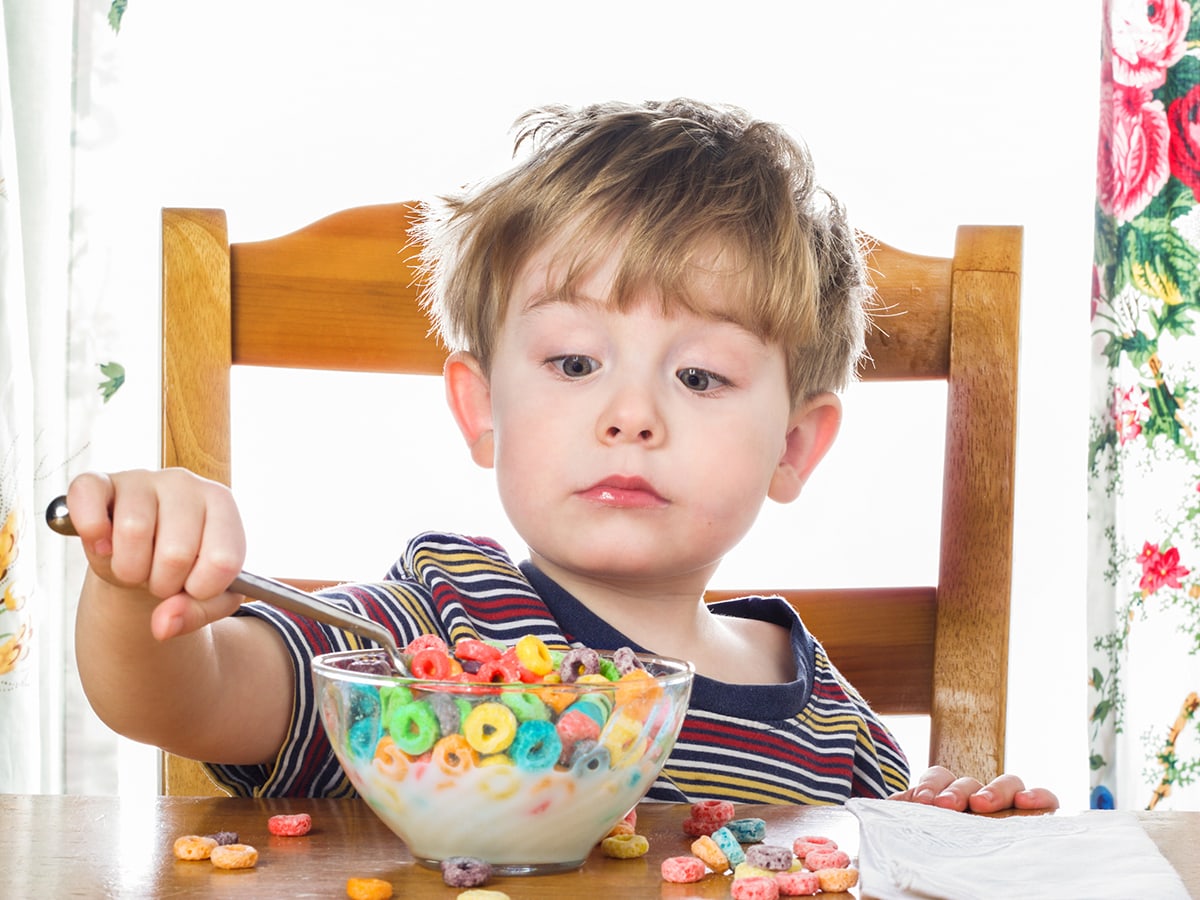
Breakfast Cereal Packaging: Bag vs. Box and Where the Industry is Heading
8/13/2026
Breakfast cereal has long been a staple in consumers' pantries, and everyone seems to have their own favorite way to enjoy it. Some snack on it straight from the cereal box, others stick with the classic bowl of milk, and some add sliced fruit, pair it with yogurt, or even toss in a few ice cubes to keep the milk extra cold. No matter your preferred way to enjoy it, all cereal-lovers can agree on one thing: there's nothing worse than stale cereal caused by ineffective packaging.
Where Cereal Box Packaging Falls Short
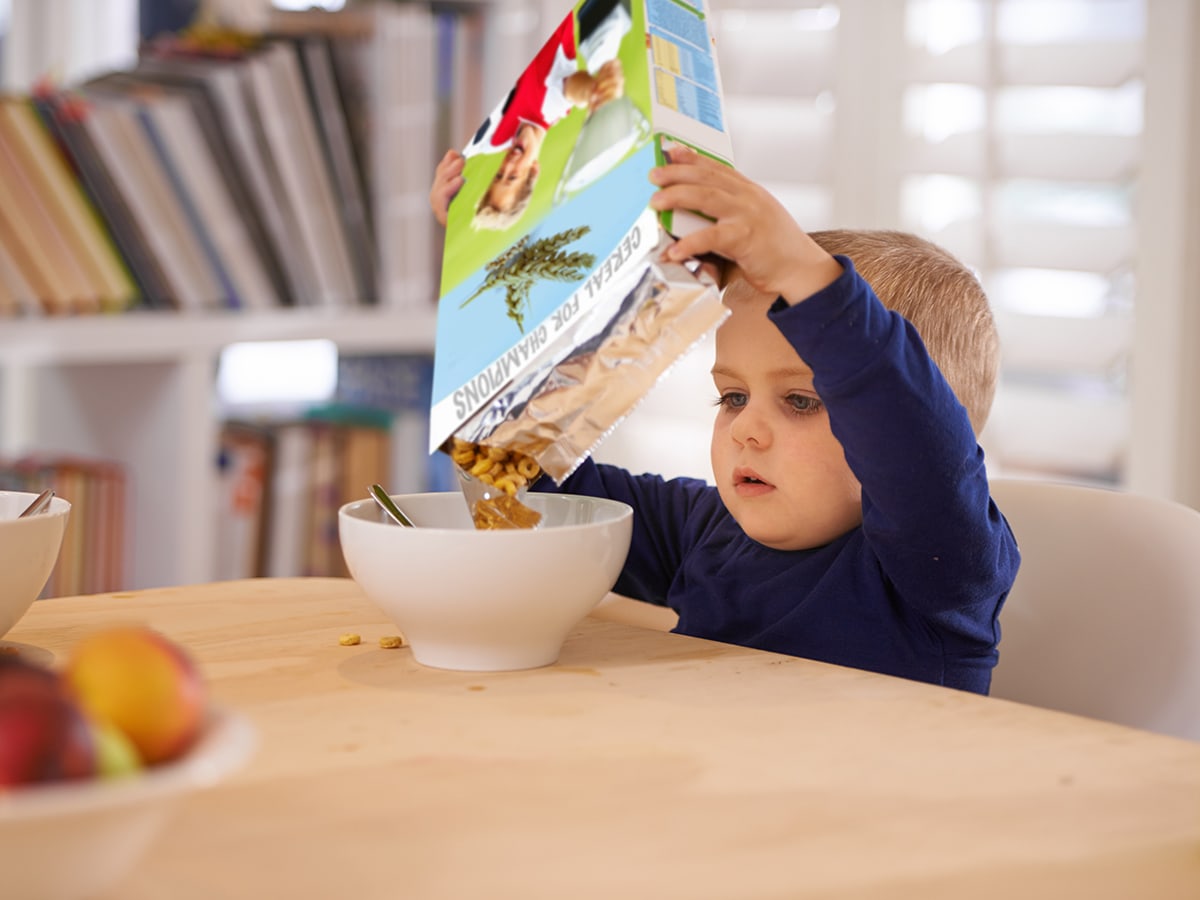
Cereal packaging has remained largely unchanged for several decades, with most brands relying on the traditional bag-in-box format. This format of cereal packaging features a flexible plastic bag that is contained inside a paperboard carton. The outer cereal box offers excellent shelf presence with ample space for branding, nutrition information, promotions, and eye-catching design. Meanwhile, the inner bag functions to help protect cereal and granola products from moisture, oxygen, and pests. Unfortunately, once that inner bag of cereal is opened by the consumer, it loses its ability to protect the product inside, increasing the likelihood of spills and spoilage.
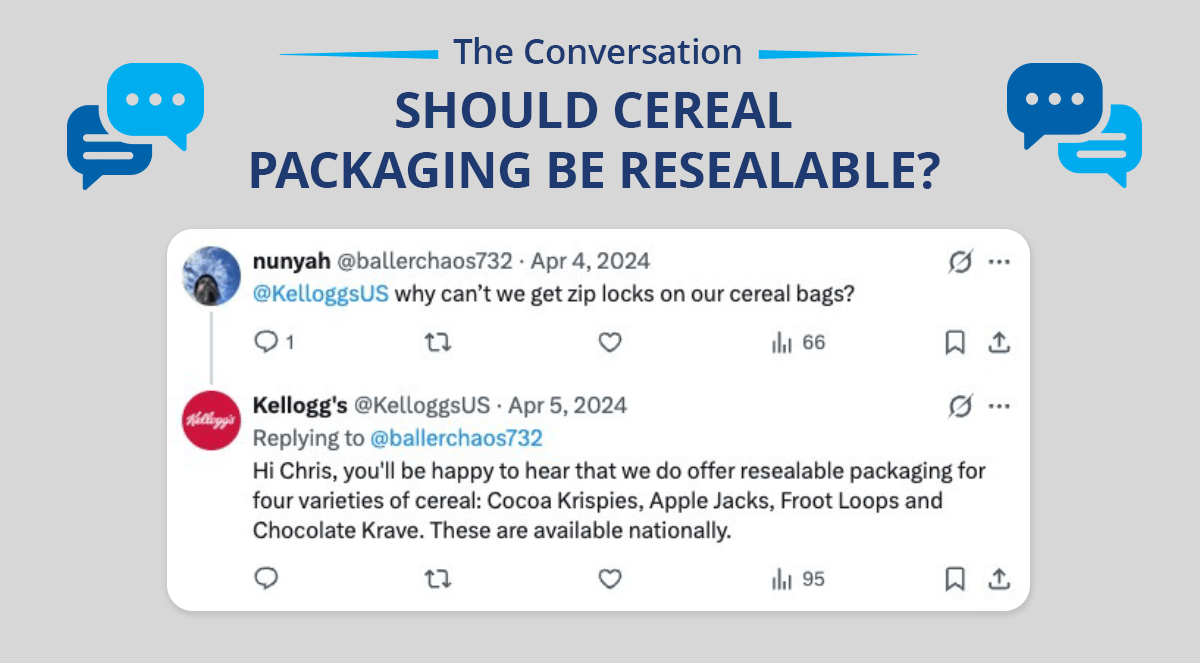
From the consumer's perspective, food packaging should be designed to help extend the shelf life of the product, especially since a traditional box of cereal contains multiple servings. According to the USDA, more than one-third of all food goes to waste in the United States. Though cereal is a shelf-stable food that can last several months after opening, insufficiently sealed packaging can cause it to spoil before its expiration date. For consumers, wasted food means money lost—and that can be extremely frustrating when brands and packagers in the cereal supply chain can help correct that issue. In their frustration, consumers continue to take to social media to call on cereal brands to add reclosability features.
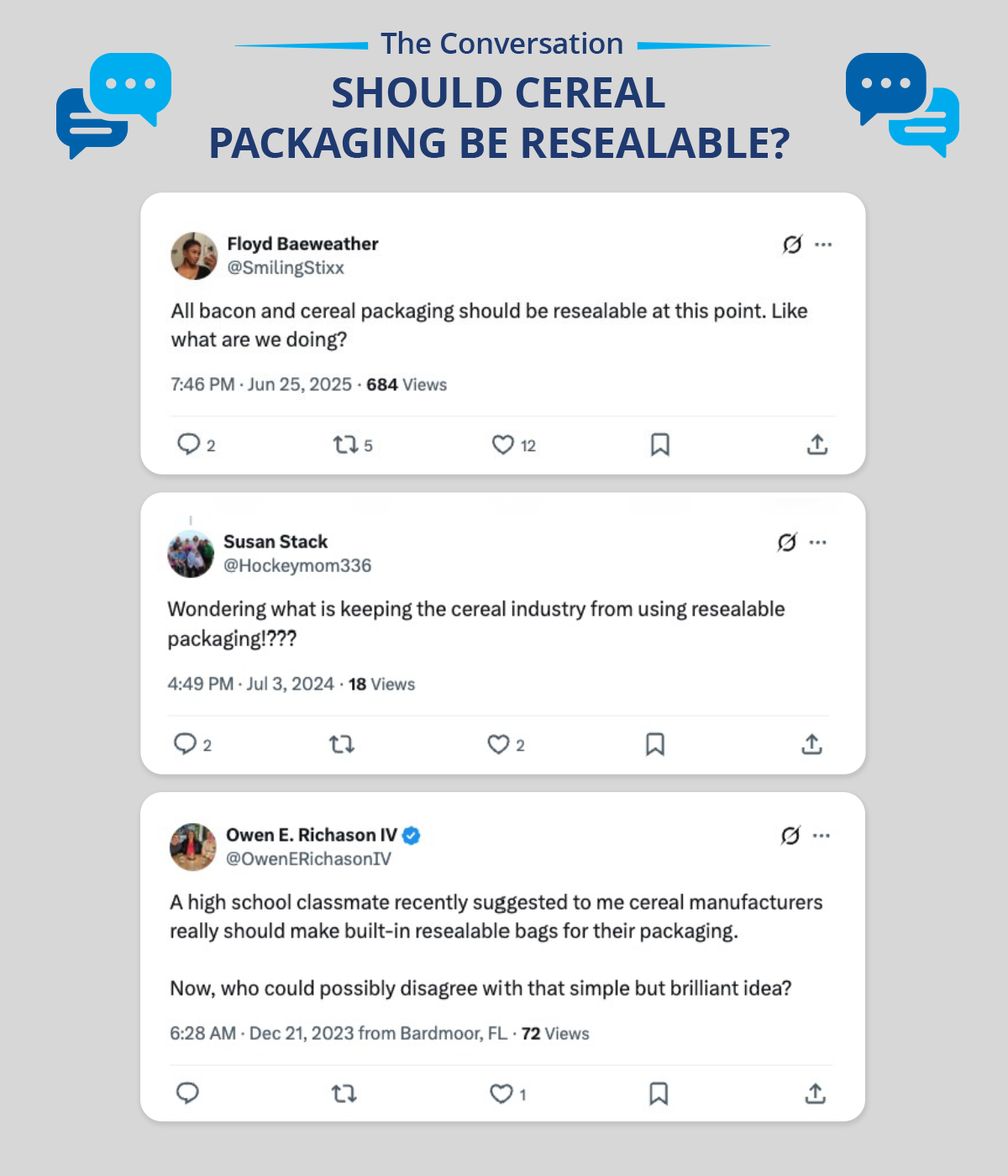
While consumers often use the term "resealable packaging" instead of the more technically accurate "reclosable packaging," the expectation is the same. Consumers want packaging that's easy to close after opening and keeps cereal fresh between servings.
Without a secure way to reclose box cereal, consumers often resort to folding or loosely tucking the cereal bag back into the carton. Others may transfer their cereal to plastic storage containers, use rubber bands, clips, or other makeshift packaging solutions in an effort to preserve freshness and prevent spills. However, when a consumer chooses to transfer cereal to a storage container to help keep it fresh, it also separates the product from important information, including ingredients, serving recommendations, branding, and production details. Keeping this information in the consumer's home supports continued brand exposure and helps consumers determine whether their cereal is affected in the event of a product recall.
Should Your Cereal Packaging Include an Adhesive Roll Down Closure?
Because the inner bag typically offers limited reclosability, traditional cereal packaging can make it harder to maintain freshness and may contribute to food waste. However, the materials are relatively inexpensive, and the format allows for easy shipping and stacking. Cereal manufacturing lines have also long been designed around filling the bags, inserting them into cartons, and sealing the boxes at high speeds. As a result, cereal brands have continued to rely on this format, even as consumer expectations and available packaging technologies have evolved.
To help improve post-opening performance of bag-in-box cereal applications, adhesive-based reclosure systems were developed. While these systems add reclosure functionality, they do not change the underlying limitations of the traditional packaging format. A pressure-sensitive sticker is added directly to the inner cereal bag, requiring consumers to remove the adhesive tape, roll down the opened bag, and reapply the sticker over the rolled section, functioning very similarly to a clip.
Despite the growing popularity of these adhesive roll-down reclosure systems, rolling the package closed does not create a continuous seal the same way an interlocking zipper or slider would. Air, moisture, and pests can still enter the bag if the roll loosens, so the effectiveness of the adhesive sticker largely depends on the user. A tightly rolled inner bag and a clean adhesive surface free of cereal dust and food particles will create a more secure hold, while a loosely rolled bag or adhesive contaminated with food will reduce its ability to stay closed.
Incorporating these adhesive roll-down systems has helped many cereal brands improve the functionality of traditional box packaging. However, a growing number of brands are also transitioning to reclosable flexible packaging for cereal to provide better product protection, help reduce food waste, and enhance the consumer experience.
Rethinking Cereal Packaging Design to Reduce Food Waste and Meet Consumer Expectations
Though bag-in-box formats are still dominant in the cereal aisle, a growing number of cereal and granola products have transitioned to reclosable flexible packaging. Stand-up pouches are increasingly common for granola and hot cereals, while lay-flat pouches have become the go-to for value-sized cereal offerings—and both formats come equipped with reliable closure mechanisms such as a press-to-close zipper or slider.
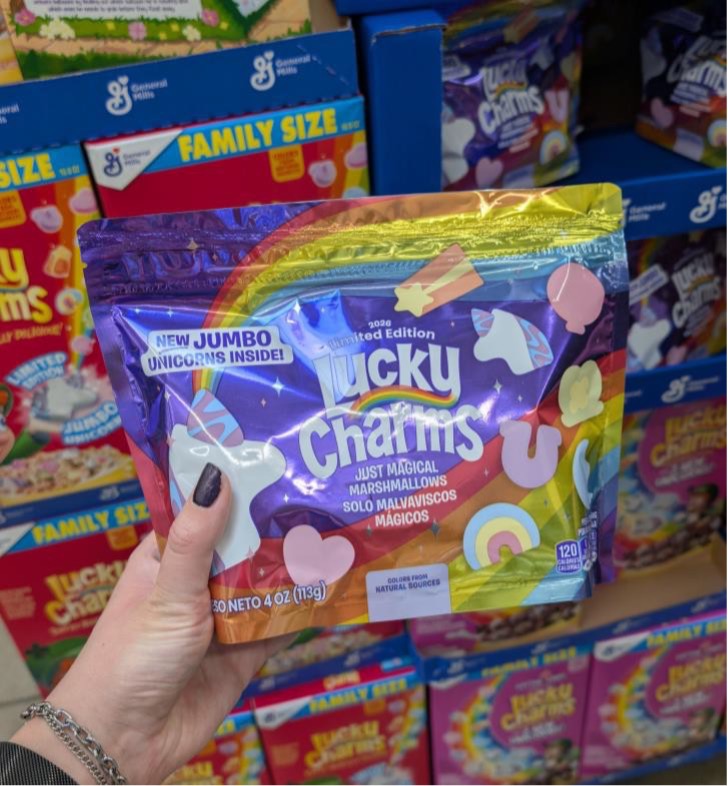
Premium cereal and granola brands have embraced this packaging format for years. For example, Catalina Crunch and Bob's Red Mill Natural Foods package many of their cereals, granolas, and oatmeal in reclosable stand-up pouches, giving consumers a reliable and consistent way to preserve freshness between servings. Additionally, major cereal brands like Post Consumer Brands, General Mills, and Kellogg's have been experimenting with reclosable flexible bag packaging designs for specific product lines and cereal-adjacent products, like the limited edition Lucky Charms Just Magical Marshmallows. As these larger brands continue to adopt reclosable bag packaging, they gain a competitive advantage and demonstrate the benefit of improved freshness, convenience, and consumer appeal.
Fortunately, ongoing innovation in flexible packaging closures means that cereal brands have more options than ever before to choose from, including particle-resistant closures, double lock varieties, linear tear zippers, and string zippers. While each of these closures helps keep moisture out and freshness in, particle-resistant closures are ideal for particularly dusty or granular cereal types, where particles can easily get caught in the closure. These specialized cereal closures help clear away particles during closing, supporting a more reliable closing and better user experience. And for brands prioritizing sustainability, there are closure options designed with environmental impact in mind.
Designing Eco-friendly Cereal Packaging
Making the switch to flexible cereal packaging formats is a strong first step for brands interested in designing more eco-friendly cereal packaging. By eliminating the outer cereal box, flexible packaging helps reduce the number of packaging components required. Additionally, according to a case study by the Flexible Packaging Association comparing cereal packaging formats, stand-up pouches offer significant sustainability advantages over bag-in-box formats, including lower fossil fuel consumption, greenhouse gas (GHG) emissions, and water consumption during manufacturing and conversion. The assessment found that bag-in-box formats resulted in +290% more GHG and required 708% more water in manufacturing and conversion processes compared to stand-up pouches.
However, making the switch to a reclosable pouch is only the first step. Designing a sustainable cereal bag requires careful consideration of every material and component. Working with multiple packaging suppliers, Kellogg's Bear Naked® granola transitioned to a sustainable pouch using a recyclable film structure compatible with How2Recycle® store drop-off programs and a Fresh-Lock® zipper that could be recycled alongside the film.
As brands continue to optimize flexible packaging, material innovation is expanding what cereal brands can achieve. While traditional polyethylene (PE) used in flexible pouches is derived from petrochemicals, bio-based recyclable PE is made from renewable plant sources. Pairing bio-based films with recyclable, bio-based closures, like Fresh-Lock® Renewables+ Style 8041B, a particle-resistant zipper, can further enhance the sustainability of a package.
Build Better Cereal Bag Packaging with the Right Closure
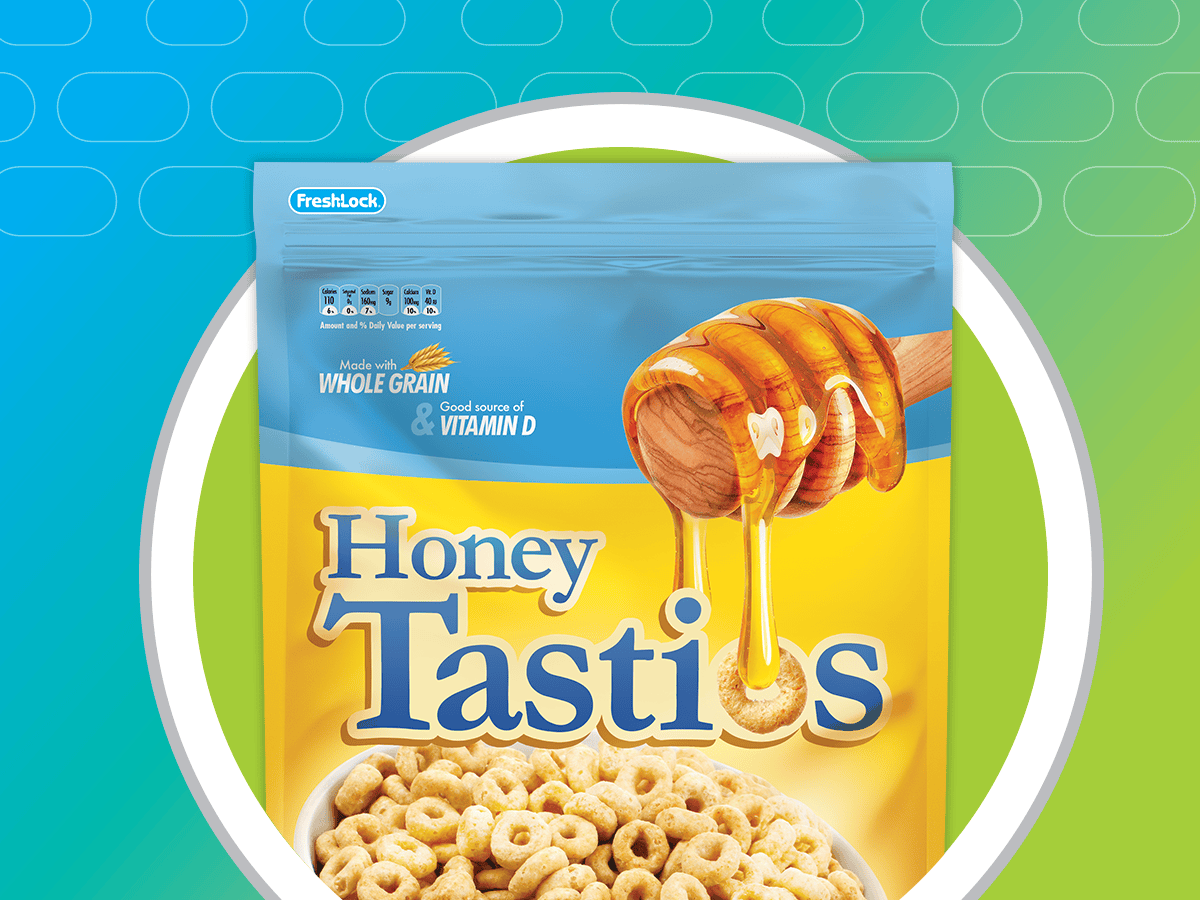
As consumers continue to prioritize cereal brands that offer enhanced convenience, premium experiences, and sustainability, brands that rethink cereal packaging designs have an opportunity to set themselves apart while helping drive the industry forward. Many leading cereal brands have already begun exploring reclosable flexible packaging, signaling that this trend is only beginning to gain momentum. As more cereal brands test and adopt reclosable flexible packaging formats, reclosable cereal bags are poised to become an increasingly common experience in the cereal aisle.
Connect with the Fresh-Lock team today to discover reclosable packaging that can take your cereal product to the next level.